
If you’ve been researching solar, you’ve probably seen battery storage mentioned everywhere.
And it makes sense. The idea sounds appealing:
Store your extra solar energy
Use it later
Keep the lights on during outages
Rely less on the grid
But here’s the question many homeowners are really asking:
Do you actually need a battery with solar — or is it just an expensive add-on?
The honest answer is: it depends on your goals, your budget, and how much energy independence you want.
For some homeowners, battery storage is a smart upgrade. For others, solar alone is the better place to start.
Let’s break it down simply.
What Does a Solar Battery Actually Do?
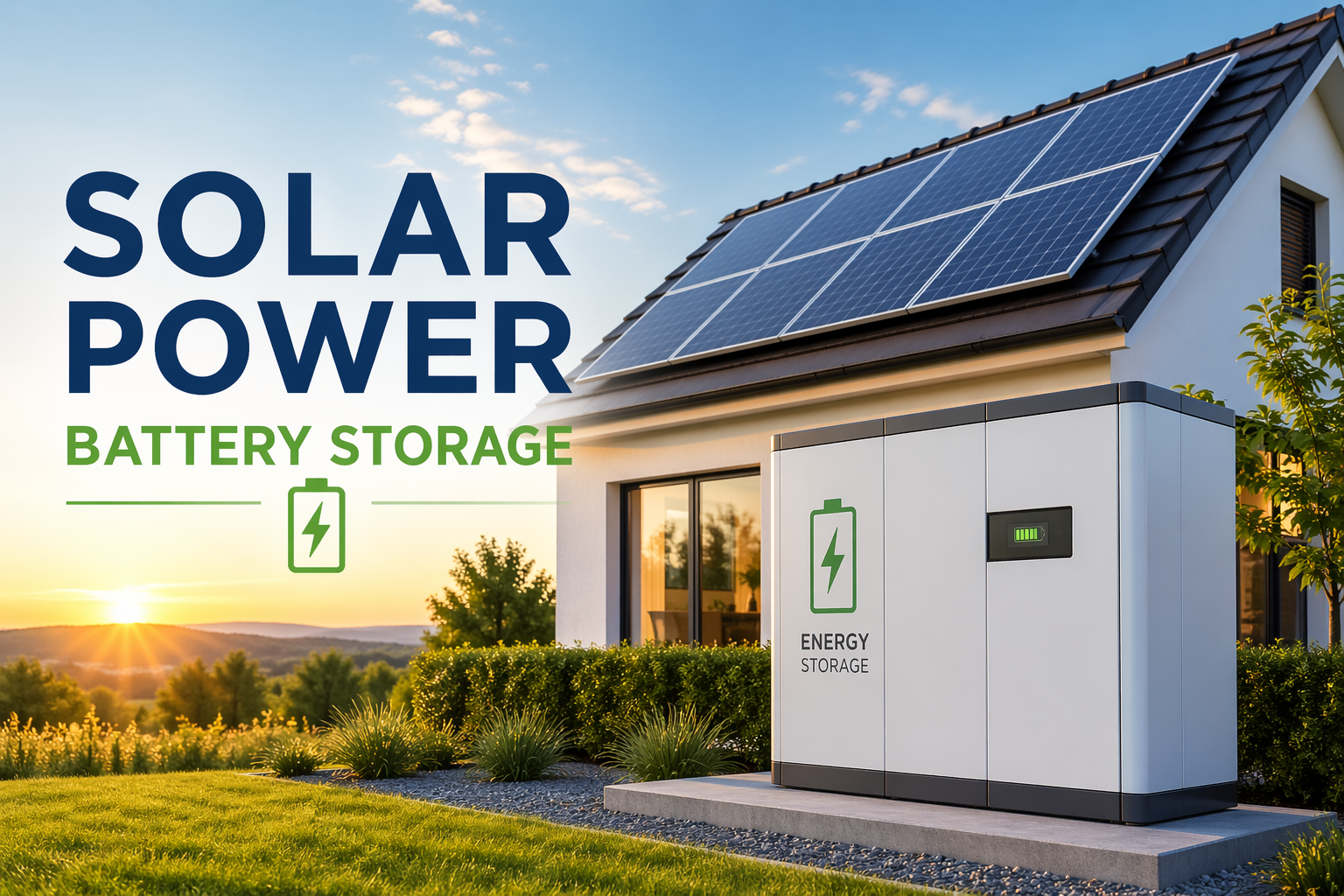
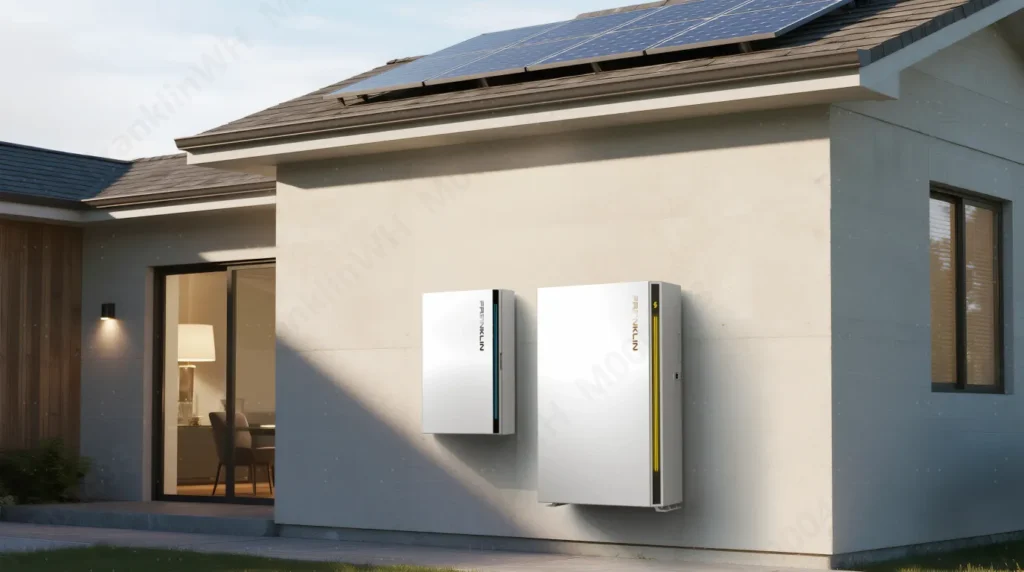
A battery stores excess energy your solar panels produce so you can use it later.
Without a battery, your system typically works like this:
- Your panels produce power during the day
- Your home uses that energy first
- Extra energy may go back to the grid, depending on your utility setup
With a battery:
- Extra solar energy is stored instead of all being sent away
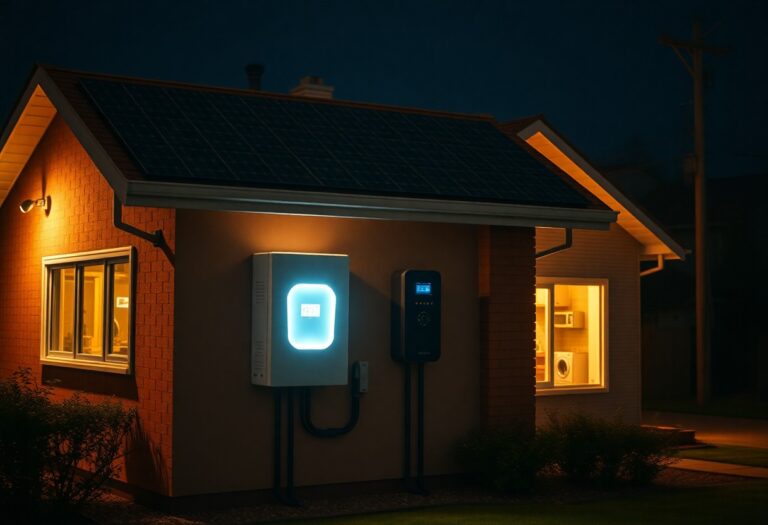
- You can use that stored power later in the evening
- You may have backup power during outages, depending on system design
In short, a battery gives you more control over when and how you use your solar energy.
If you’re still early in the process, start with:
Can Your Home Actually Support Solar? A Simple 5-Minute Readiness Check
When Battery Storage Makes Sense
For some homeowners, battery storage can be a great fit.
1. You Want Backup Power During Outages

This is one of the biggest reasons people add a battery.
If your area experiences:
- Frequent power outages
- Storm-related disruptions
- Grid instability
…a battery can help keep essential appliances running.
That may include:
- Lights
- Internet
- Refrigerator
- Medical devices
- Phone charging
- Certain outlets or circuits
If backup power matters to you, a battery may be worth serious consideration.
2. You Want More Energy Independence
Some homeowners do not like relying heavily on the utility company.
A battery can help you:
- Use more of your own solar power
- Reduce how much energy you pull from the grid
- Feel less exposed to utility changes and outages
If your main frustration is rising power bills, read:
Why Your Electric Bill Keeps Rising (And How Solar Helps You Take Control)
3. Your Utility Rates Make Timing Matter
In some areas, electricity costs more at certain times of day.
A battery can help you:
- Store cheaper solar power during the day
- Use it during more expensive evening hours
- Reduce your dependence on peak-rate utility power
In these situations, a battery can improve the financial value of your system.
When Battery Storage May Be Overkill
Let’s be honest: batteries are not always necessary.
For many homeowners, solar panels alone already provide the biggest benefit.
1. Your Main Goal Is Lowering Your Electric Bill
If your primary goal is simply to reduce your monthly energy costs, solar alone may be enough.
A standard solar system can already help you:
- Offset your electricity usage
- Reduce dependence on the utility company
- lock in more predictable energy costs over time
A battery may improve convenience and resilience, but it is not always the fastest path to savings.
If you want to understand the financial side first, read:
Is Solar Worth It in 2026? A Real Cost vs. Savings Breakdown for Homeowners
2. Your Area Has Strong Net Metering or Favorable Utility Credits
In some places, homeowners receive useful credit for excess solar power sent back to the grid.
When that setup is favorable, a battery may be less essential because the grid is already helping act like a kind of “energy bank.”
In those cases, solar without a battery may deliver strong value on its own.
3. You Want to Keep Upfront Costs Lower
Battery systems add cost.
For some homeowners, it makes more sense to:
- Start with solar first
- Capture the biggest savings opportunity
- Add battery storage later if needed
That approach can make the transition into solar more affordable and less overwhelming.
So Who Usually Benefits Most From a Battery?
Battery storage is often most attractive for homeowners who:
✔ Want backup power
✔ Live in outage-prone areas
✔ Want more energy independence
✔ Have utility pricing that rewards strategic energy use
✔ Are comfortable with a higher upfront investment for added control
Solar-only systems are often best for homeowners who:
✔ Mainly want bill savings
✔ Want a simpler and lower-cost setup
✔ Live in areas with favorable grid credits
✔ Do not need backup power as a top priority
What to Expect If You Add a Battery
If you choose solar plus battery storage, your provider will usually help determine:
- How much storage capacity you need
- Which appliances or circuits you want backed up
- Whether you want whole-home backup or essential-load backup
- How the battery integrates with your solar system
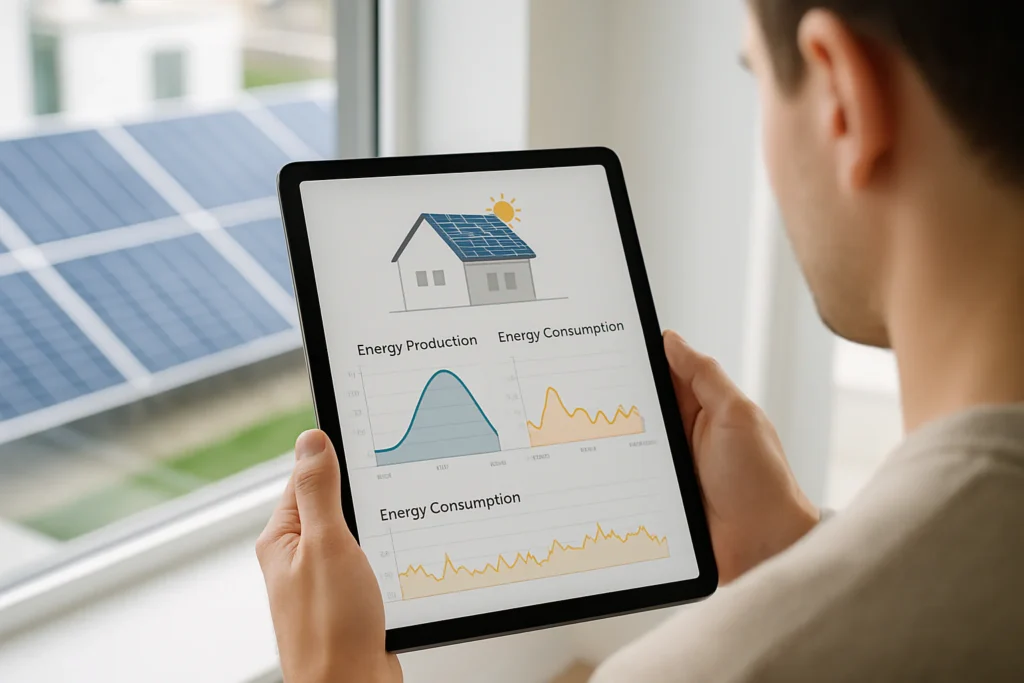
After installation, most systems include monitoring tools so you can see production, usage, and stored energy in real time.
To learn more about the long-term experience, read:
What Happens After You Install Solar? (Maintenance, Monitoring, and Real Expectations)
The Real Answer: Battery Storage Is Not Required to Benefit From Solar
This is where many homeowners get stuck.
They assume:
- “If I go solar, I have to get a battery too”
- “Solar won’t work without storage”
- “I need the biggest setup possible right away”
That usually isn’t true.
You can absolutely benefit from solar without adding battery storage.
A battery is an upgrade — not a requirement.
For the right homeowner, it adds security and flexibility.
For others, it may be something to consider later.
Quick Takeaway
If your priority is:
- Lower electric bills → solar alone may be enough
- Backup power and independence → battery storage may be worth it
- Keeping costs down upfront → start with solar and evaluate storage later
The right answer depends less on hype and more on your real goals.
Lock in Your Energy Costs → See If Solar Makes Sense for Your Home
Not sure whether you need solar only, or solar plus battery storage?
A personalized assessment can help you understand:
- Whether your home is a strong fit for solar
- Whether battery storage would actually benefit you
- What your potential savings and options may look like
No pressure. No obligation. Just real answers based on your home and goals.



2 thoughts on “Solar + Battery Storage: Do You Really Need It or Is It Overkill?”