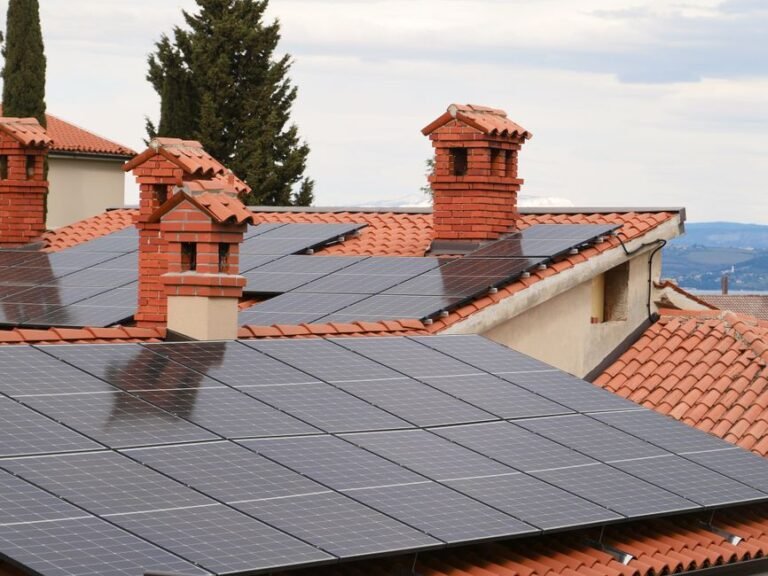

Every mile driven on electricity from your rooftop costs pennies and creates zero tailpipe emissions. But what if the source of that electricity was also clean, free, and under your control? Using solar for EV charging transforms your car from merely electric to truly sustainable, turning your home into a personal renewable energy station.
This direct pairing offers financial predictability and energy independence. We will examine how these systems integrate, what you need to design one, and the substantial long-term benefits.
The Direct Connection Between Solar Panels and Your EV
At its core, charging an electric vehicle is about moving electrons into a battery. Your home’s solar panels, or photovoltaic system, generate those electrons from sunlight. Your EV charger is the controlled gateway that manages the flow. While you can charge an EV from the standard grid, pairing it with solar captures the full environmental and economic potential.
The process works in real-time. During sunny hours, your solar panels produce electricity. If your car is plugged in, your home energy system will prioritize sending that solar power directly to the vehicle. This is the most efficient method, often called “daytime charging.” Any excess solar generation not used by the car or your home appliances is typically sent back to the grid, potentially earning you credits, or directed to a home battery for later use.
This setup creates a powerful cycle of sustainable transportation energy. You generate fuel from your roof, use it for daily travel, and reduce your reliance on utility power, which may still be generated from fossil fuels. Modern inverters and smart chargers make this coordination seamless, allowing you to set preferences for when and how your vehicle charges.
Understanding Your Energy Needs
Success with solar for EV charging starts with understanding both your driving habits and your home’s energy profile. An average electric vehicle consumes roughly 0.3 to 0.4 kWh of electricity per mile driven. A daily commute of 40 miles might require 12 to 16 kWh from your solar panel charging systems.
You must add this new load to your home’s existing electricity consumption to calculate the total solar array size you need. A household that previously used 900 kWh monthly might see its usage jump to 1,300 kWh or more after switching to an electric vehicle.

This is why a detailed energy audit is the first critical step. Tools like our solar buyer’s checklist can help you gather the right consumption data from your utility bills and EV’s onboard metrics. This data forms the blueprint for a system that meets your total energy goals.
Designing Your Solar EV Charging System
A well-designed system does more than just connect panels to a charger. It considers production, consumption, storage, and future needs. The goal is to maximize self-consumption of your solar energy, thereby maximizing savings.
Key Components: Beyond the Panels
Your system’s brain is the inverter. For solar EV charging, a smart inverter that can communicate with other devices is highly advantageous. Some setups use a dedicated energy management system that directs solar power intelligently, choosing whether to send it to the car, the house, or the battery based on preset rules.
The charger itself is the next component. A Level 2 home charging station (240-volt) is almost essential for convenient solar charging. It replenishes a typical EV battery overnight, providing ample flexibility to use daytime solar production. Many modern smart chargers can be programmed to activate only when your solar panels are producing surplus power.
Finally, consider the role of solar battery storage. A battery is not strictly necessary, but it profoundly enhances the system. It allows you to store excess daytime solar production and use it to charge your car at night, effectively enabling off-grid EV charging capabilities during a utility outage. This turns a time-dependent system into a 24/7 solar-powered solution.
Sizing Your Solar Array for an EV
To offset 100% of your new combined energy use (home + EV), you must size your solar array accordingly. The table below provides a simplified reference based on common driving distances and a home with average consumption.
| Annual EV Miles Driven | Additional Solar Needed (kWh/year) | Approx. Additional Panels* |
|---|---|---|
| 6,000 miles | 2,100 kWh | 5-6 panels |
| 12,000 miles | 4,200 kWh | 10-12 panels |
| 18,000 miles | 6,300 kWh | 15-18 panels |
*Estimate based on 400W panels with good sun exposure. Your installer will provide a precise calculation.
Remember, it is often more cost-effective to install a larger system upfront than to add panels later. Factor in potential future needs, like a second electric vehicle or a heat pump.
Financial Benefits and Incentives for Solar EV Charging
The dual investment in solar and an EV unlocks layered financial benefits. The most obvious is the dramatic reduction in fuel costs. Electricity from solar is nearly free after the system is paid off, compared to fluctuating gasoline or even grid electricity prices.

Second, you benefit from significant incentives. The federal Investment Tax Credit (ITC) allows you to deduct 30% of the cost of your solar installation from your federal taxes. This credit applies to the entire system, including any extra panels added for EV charging. Some states and utilities offer additional rebates for both EV chargers and solar battery storage for EVs, creating a powerful stack of savings.
Third, you gain protection against rising energy costs. By producing your own transportation fuel, you insulate yourself from future increases in electricity or gas rates. This fixed-cost energy model makes household budgeting more predictable. Explore the latest solar incentives and ROI to understand the full financial picture for your location.
Maximizing Your Return
To get the best return, aim to consume as much of your solar power on-site as possible. Charging your car during the day is ideal. If that’s not feasible, a home battery allows you to shift that solar energy to evening charging. This practice, called load-shifting, minimizes the electricity you buy from the grid and maximizes the value of every kilowatt-hour your panels produce.
Common Questions and Considerations
Homeowners often wonder about practicality. Can you charge on cloudy days? Yes. Your system will draw from the grid when solar production is low, but your net annual consumption is what matters. Over a year, a properly sized system will produce as much energy as you consume for both your home and car.
Another consideration is your home’s electrical capacity. Adding a Level 2 EV charger may require a panel upgrade, which your solar installer can assess. Integration with smart home solar systems can also provide elegant control, letting you manage energy flows from your phone.
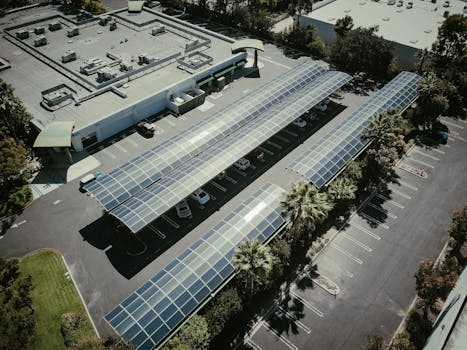
Finally, think about installation. A solar carport charging structure is an excellent alternative if your roof isn’t suitable, providing covered parking and power generation in one. For a smooth process, seeking a qualified solar installer with experience in EV integration is crucial.
Adopting solar for EV charging is a decisive step toward a self-sufficient, low-cost, and low-carbon lifestyle. It closes the loop on clean transportation, ensuring the energy powering your commute is as green as the vehicle itself. The technology is proven, the economics are favorable, and the impact is direct. Start by evaluating your energy use, then explore how your home can become the foundation for your sustainable driving future.
Frequently asked questions
Can I charge my EV with solar panels at night?
Yes, but not directly from the panels. To charge at night with solar energy, you need a home battery storage system. The battery stores excess solar power generated during the day. At night, you can draw from this stored energy to charge your vehicle, making your charging process fully solar-powered around the clock.
How many solar panels do I need to charge an electric vehicle?
The number depends on your driving distance. A common estimate is 5 to 10 additional solar panels for an average daily commute. For a precise figure, you must calculate your EV’s annual electricity consumption in kWh and add it to your home’s existing usage. A solar professional can then determine the exact system size.
Is solar-powered EV charging worth the investment?
For most homeowners, yes. The combination of eliminating gasoline costs, locking in low-cost electricity for decades, and taking advantage of federal and state incentives creates a strong financial case. The payback period is often shorter than the lifespan of the system, leading to decades of virtually free fuel and increased home value.
What happens if my solar panels don’t produce enough power on a given day?
Your home remains connected to the utility grid. If your solar production is low, your EV charger will automatically draw the additional needed power from the grid. Over the course of a full year, a properly sized system is designed to offset 100% of your consumption, making up for low-production days with surplus on sunny days.
Do I need a special charger for solar EV charging?
You do not need a uniquely different charger, but a smart Level 2 EV charger is highly recommended. Many smart chargers can be integrated with your solar inverter or home energy management system. This allows for programming that prioritizes using surplus solar power, optimizing your self-consumption and savings.