One of the biggest questions homeowners have before going solar is:
“What happens after everything is installed?”
Do you need to maintain it?
Will something break?
Is it complicated to manage?
The reality is much simpler than most people expect.
Solar systems are designed to be low-maintenance, long-lasting, and largely hands-off.
Let’s walk through exactly what you can expect after installation—so there are no surprises.
1. Your System Starts Producing Power Immediately
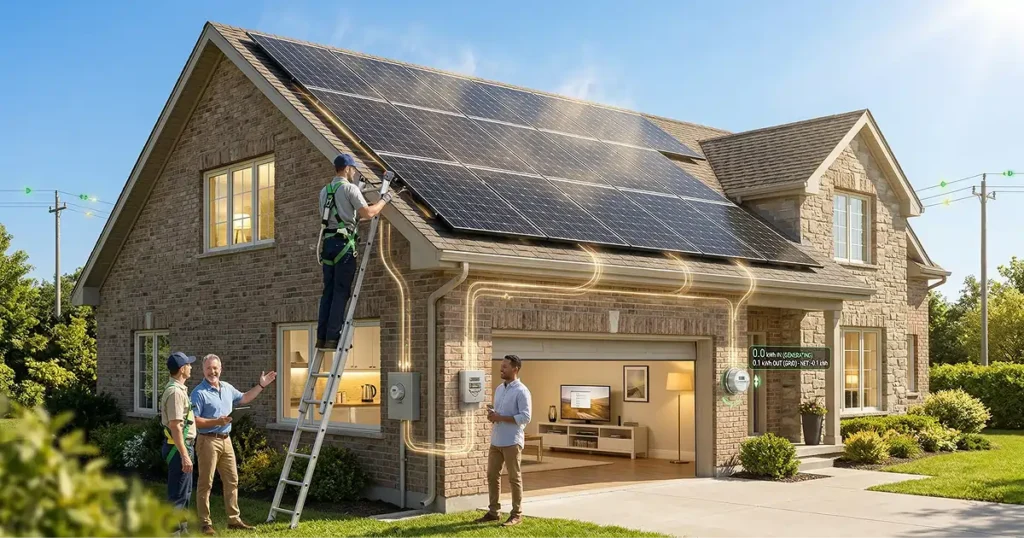
Once your system is installed and approved by your utility:
- Your panels begin generating electricity
- Your home starts using solar energy first
- Any extra power may go back to the grid (depending on your setup)
This is when you start seeing the impact on your electric bill.
If you’re still deciding whether solar makes sense financially, read:
Is Solar Worth It in 2026? A Real Cost vs. Savings Breakdown for Homeowners
2. You Can Monitor Everything in Real Time
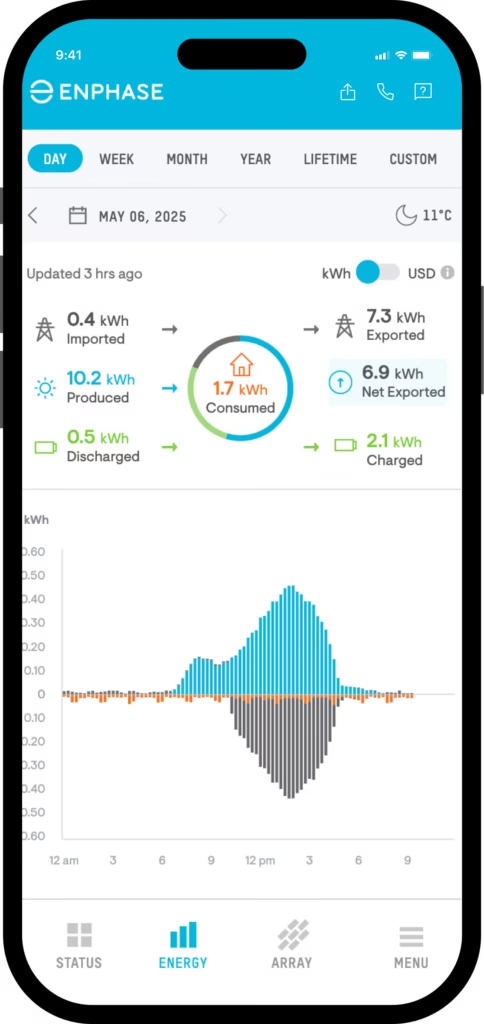
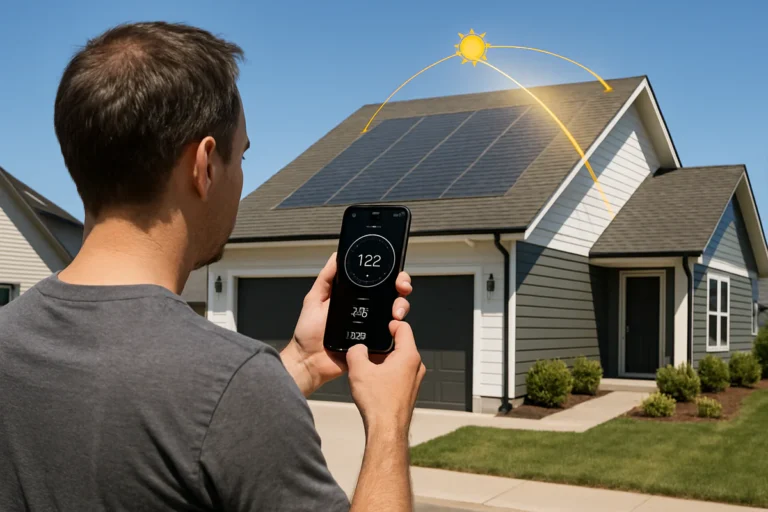
Most systems come with a monitoring app that lets you see:
- How much energy your system is producing
- How much your home is using
- Your estimated savings over time
You can check your system anytime—from your phone.
Many homeowners enjoy seeing their system perform—it becomes part of daily awareness.
3. Maintenance Is Minimal (Much Less Than You Think)
This is one of the biggest misconceptions:
Solar panels do not require constant maintenance.
In most cases:
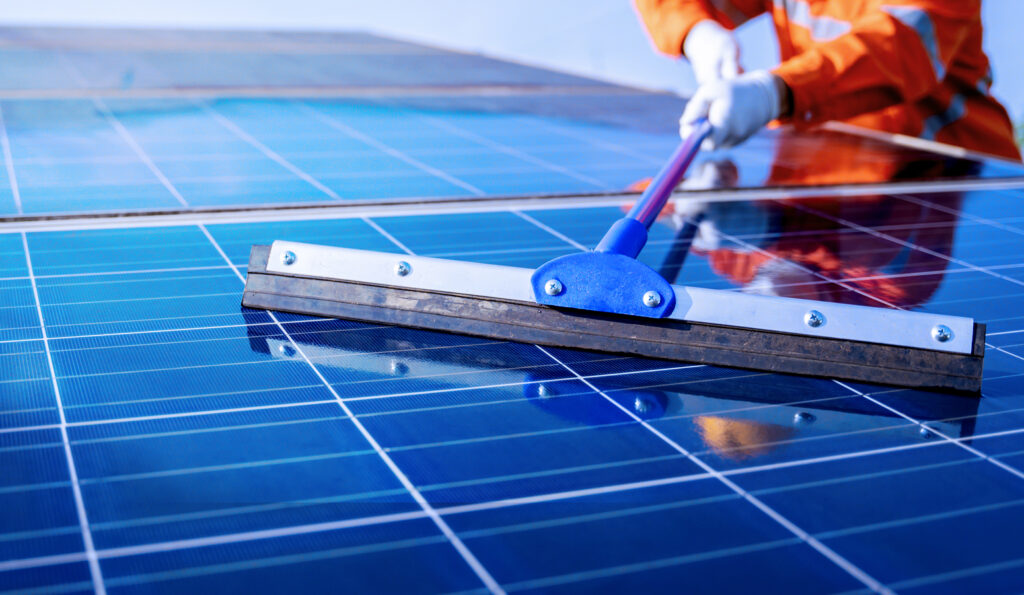
- Rain naturally cleans the panels
- There are no moving parts
- Systems are built for durability
Occasionally:
- Light cleaning may help if heavy dirt builds up
- Annual inspection (optional, not always required)
Compared to most home systems, solar is very low effort.
4. What If Something Breaks?
This is a common concern—but here’s the reality:
Most systems include:
- 20–25 year panel warranties
- Inverter warranties (often 10–25 years)
- Workmanship guarantees
If something goes wrong, it’s usually covered.
Also:
- Monitoring systems often detect issues automatically
- Installers can diagnose problems remotely
Failures are rare, and support is built in.
5. What About Battery Storage?
If you added a battery (or are considering one):
- It stores excess solar energy
- Provides backup during outages
- Adds more energy independence
But not every home needs one.
Learn more here:
Solar + Battery Storage: Do You Really Need It or Is It Overkill?
6. What Happens to Your Electric Bill?
After going solar:
- Your utility bill is typically reduced
- You may still receive a smaller bill (depending on usage)
- Your costs become more predictable
This is where many homeowners feel the biggest difference.
If rising bills are your main concern, read:
Why Your Electric Bill Keeps Rising (And How Solar Helps You Take Control)
7. The Long-Term Experience
Solar isn’t a short-term upgrade—it’s a long-term shift.
Over time, homeowners experience:
✔ Lower overall energy costs
✔ Protection from rising utility rates
✔ Increased home value
✔ More control over energy usage
And most importantly—peace of mind.
What Solar Is NOT (Real Expectations)
Let’s clear up a few myths:
It’s not high maintenance
It doesn’t require constant attention
It doesn’t break often
It’s not complicated to use
In reality, once installed, solar becomes part of your home—quietly working in the background.
Not Sure If Your Home Is Ready Yet?
Before installation, it’s important to know if your home is a good fit.
Start here:
Can Your Home Actually Support Solar? A Simple 5-Minute Readiness Check
See What Solar Would Look Like for Your Home

Instead of wondering what happens after installation…
You can see exactly what your system would look like before you even start.
Find out:
- Your potential savings
- Your system design
- What your monthly costs could be
No pressure. No obligation. Just clear answers.