Can Your Home Actually Support Solar? If you’ve been thinking about solar, you’re not alone. More homeowners are looking for practical ways to lower their utility bills, gain more control over rising energy costs, and make their homes more efficient. Before moving forward, many people ask the same question: will solar even work on my home?
The good news is that many homes are better candidates for solar than their owners think. You do not need a perfect roof or a brand-new house to benefit. In just a few minutes, you can get a strong idea of whether your home may be a good fit.
If you are still early in your research, you may also want to read Is Solar Worth It in 2026? A Real Cost vs. Savings Breakdown for Homeowners to understand how savings typically work over time.
1. How Much Sunlight Does Your Roof Get?
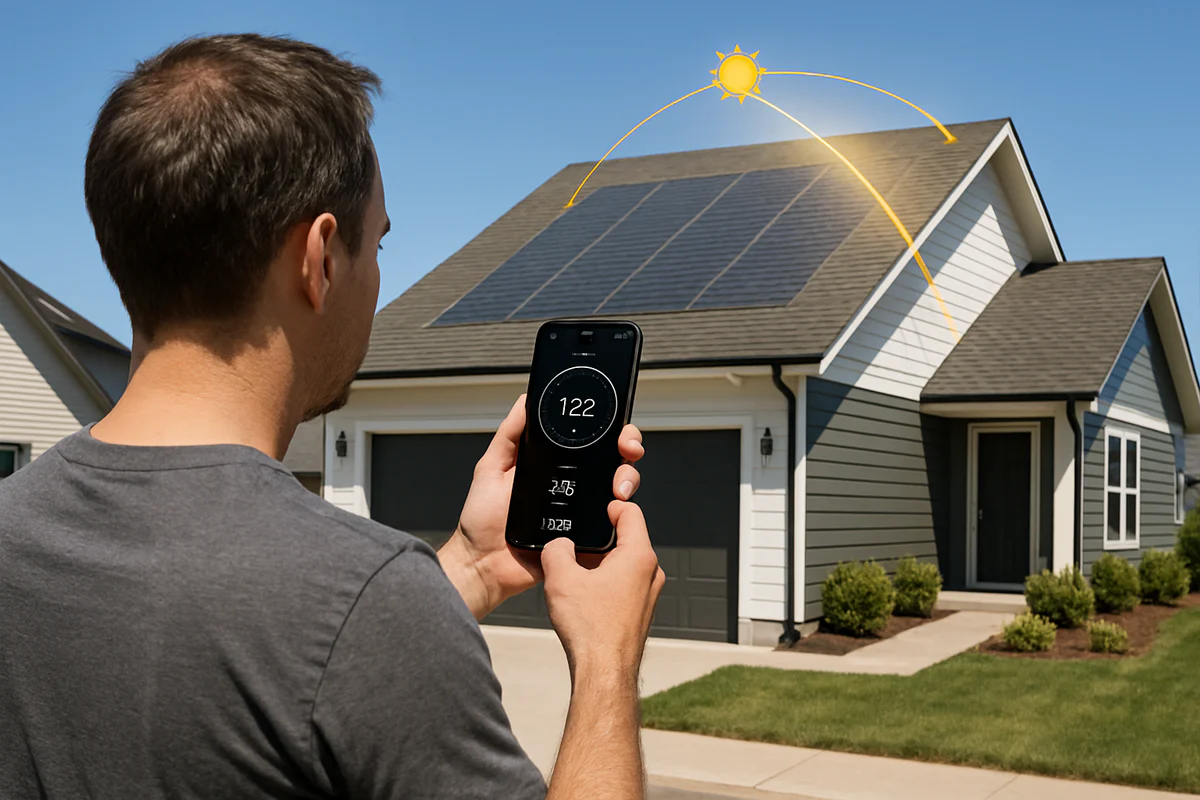
Sunlight is the single biggest factor in how well a solar system will perform. Homes with strong daily sun exposure are usually the best candidates.
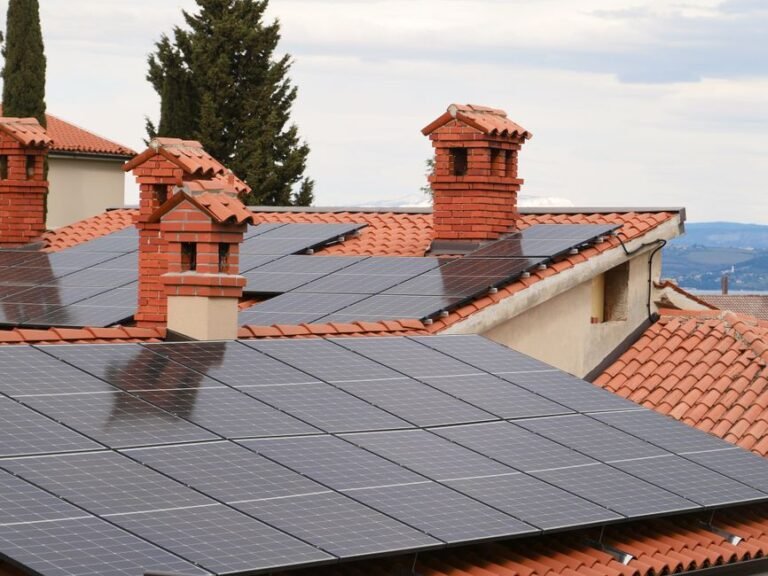
A roof with several hours of direct sunlight per day is a strong sign that solar may work well. Shade from large trees, nearby structures, chimneys, or roof features can reduce performance, but it does not always rule solar out. Modern system design can often work around partial shading.
If your main concern is monthly utility costs, read Why Your Electric Bill Keeps Rising (And How Solar Helps Stabilize Costs) for a simple breakdown of why homeowners are making the switch.
2. Which Direction Does Your Roof Face?
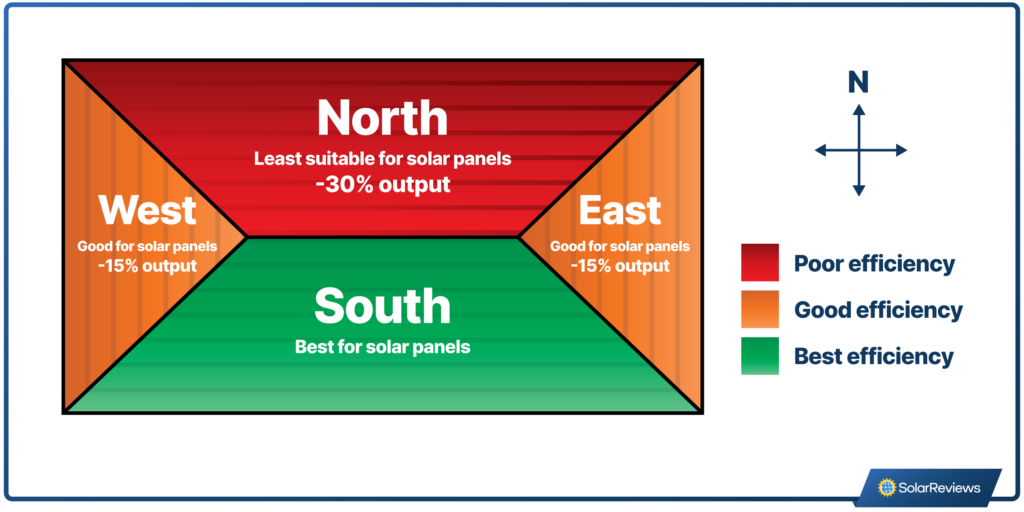
Roof direction affects production, but it does not have to be perfect for solar to make sense.
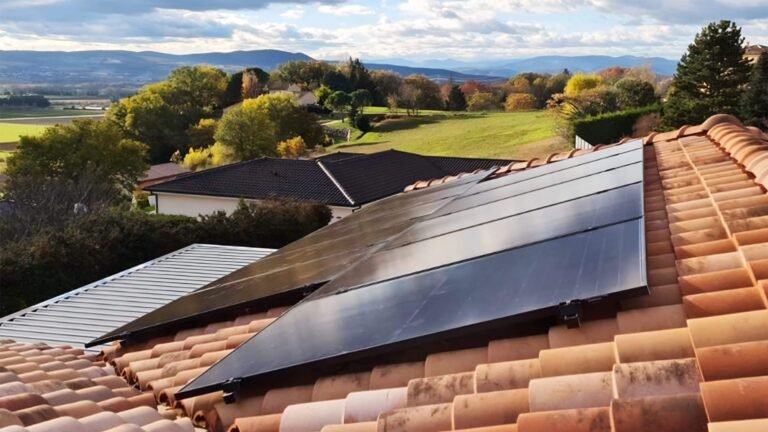
South-facing roof sections are often ideal, but east- and west-facing roofs can still perform very well. Even homes without a perfect roof angle can sometimes support a system that delivers meaningful savings. Installers often design panel layouts across more than one roof section to improve production throughout the day.
3. What Condition Is Your Roof In?
Solar panels are designed to last for decades, so your roof should be in solid condition before installation.
If your roof is relatively new or still has many years of life left, that is a positive sign. If it is older, has visible wear, or has had leak issues, it may be smart to address those first. Many homeowners choose to handle roof work before going solar so they do not have to remove and reinstall panels later.
If you want to understand what happens after installation, including monitoring, upkeep, and long-term expectations, see What Happens After You Install Solar? Maintenance, Monitoring, and Real Expectations.
4. Do You Have the Right Electrical Setup?
Your electrical panel matters because solar has to connect safely into your home’s electrical system.
A 200-amp panel is often ideal, but it is not the only setup that can work. What matters most is whether your panel has enough capacity and whether any upgrades are needed. If improvements are required, that does not necessarily stop the project. It simply becomes part of the planning process.
Homeowners who are comparing system options may also want to explore Solar + Battery Storage: Do You Really Need It or Is It Overkill? to learn when battery backup makes sense and when it may not be necessary.
5. Do You Have Enough Roof Space?
The amount of usable roof space affects how large your system can be and how much of your electric bill you may be able to offset.
Most homes need enough clear roof area for a moderate number of panels, but not every homeowner needs a system that covers one hundred percent of their usage. Even a smaller system can reduce your bill and improve long-term energy stability. The goal is not always perfection. The goal is often to reduce dependence on rising utility rates.
6. What Does Your Electric Bill Look Like?
One of the biggest signs that solar may be worth exploring is a consistently high electric bill.
If your monthly bill is significant, or if it has been rising over time, solar may offer a path to more predictable energy costs. This is especially true for homeowners planning to stay in their homes for years. The more electricity you use, the more opportunity there may be for savings.
To better understand available programs and homeowner savings opportunities, visit Solar Incentives Explained: How Homeowners Are Saving Thousands.
Quick Summary: Is Your Home a Good Candidate?
Your home may be a strong fit for solar if you have:
- good sunlight exposure
- a roof in solid condition
- enough usable roof space
- a manageable electrical setup
- moderate to high electricity bills
Even if you are unsure about one or two of these, it is still worth getting a professional review. Many homeowners assume their home will not qualify, only to find out they had better solar potential than expected.
If you want to know what the full process looks like after that first step, read The Step-by-Step Solar Process: From First Quote to Flip-the-Switch Day.
Get a Free Home Solar Compatibility Check (No Obligation)
The fastest way to move from guessing to knowing is with a simple home solar compatibility check.
A professional review can help you understand:
- whether your home is a good fit
- how much you could potentially save
- whether your roof and electrical setup can support solar
- what system options may make sense for your goals
There is no pressure and no obligation. It is simply a practical first step for homeowners who want clear answers.
CTA button text:
Get a Free Home Solar Compatibility Check