Summary
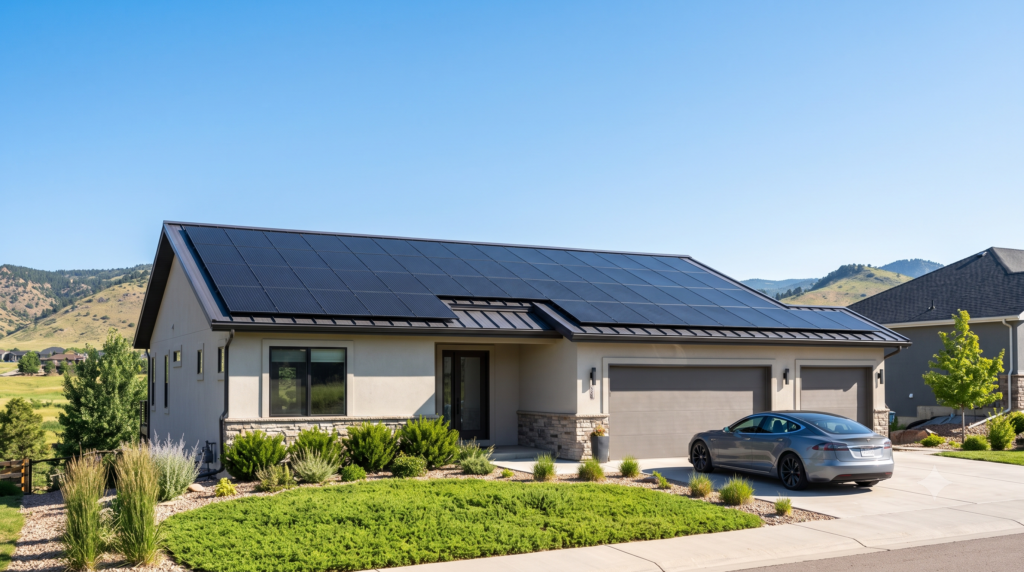
Choosing the best Solar Panels for Home Use in 2026, means navigating a market that’s shifted on two fronts at once: panel technology has jumped forward, with flagship efficiency now pushing past 24–25%, while the federal incentive landscape has gotten meaningfully less generous. This guide ranks the 10 best solar panel brands for home use in 2026, compares them head-to-head on efficiency, warranty, and price per watt, and tells you exactly which panel fits your roof, your climate, and your budget — plus what installation actually costs now that the 30% federal tax credit is gone for homeowner-owned systems.
Quick Picks
| Category | Winner | Why |
|---|---|---|
| Best Overall | Maxeon 7 | Highest verified efficiency (24.1%) + unmatched 40-year warranty |
| Best Budget | Canadian Solar HiKu7 | High wattage per panel, lowest cost per watt for large roofs |
| Best Premium | Aiko Solar Neostar/Comet | Highest efficiency on the market, up to 25.0% |
| Best for Florida | REC Alpha Pure-R / Panasonic EverVolt | Best-in-class temperature coefficient for heat and humidity |
| Best for Snow | Qcells Q.TRON | Strongest field-reported mechanical/snow-load durability |
| Best Value | Jinko Tiger Neo | Above-average efficiency at below-average price |
| Best “Buy American” | Silfab Solar | North American manufacturing, domestic-content incentive eligibility |
Quick Navigation
- How We Chose
- Comparison Table
- Top 10 Reviews
- Efficiency Comparison
- Warranty Comparison
- Price Per Watt
- Decision Boxes: Best For Your Situation
- Buying Guide
- Installation Costs
- Tax Credits
- FAQ
- Final Recommendation
How We Chose
We evaluated every brand in this guide against five weighted criteria: rated efficiency (how much sunlight the panel converts to electricity), temperature coefficient (how much output the panel loses as it heats up), guaranteed degradation at year 25 (how much output the manufacturer promises to still deliver after a quarter century), warranty terms (including whether labor is covered, not just equipment), and price per watt relative to comparable panels in the same tier. We also factored in manufacturing footprint and installer network depth, since a panel’s real-world reliability depends heavily on whether parts and warranty service are actually easy to get in the U.S.
Comparison Table
| Rank | Brand | Efficiency | Temp Coefficient | Warranty | Price/Watt | Degradation (Yr 25) |
|---|---|---|---|---|---|---|
| 1 | Maxeon 7 | 24.1% | -0.27 to -0.29%/°C | 40 yrs | $0.90–$1.50 | ~92–95% |
| 2 | Aiko Solar | 23.6–25.0% | -0.24 to -0.26%/°C | 25–30 yrs | $0.90–$1.50 | ~90–92% |
| 3 | REC Group | 22.0–22.6% | -0.24%/°C | 25 yrs (+ProTrust labor) | $0.90–$1.50 | ~92% |
| 4 | Qcells | 22.0–22.5% | -0.30 to -0.34%/°C | 25 yrs | $0.70–$1.00 | ~86% |
| 5 | Canadian Solar | 21.4–22.5% | ~-0.34%/°C | 25 yrs | $0.60–$0.85 | ~84.8–87% |
| 6 | Jinko Solar | 22.6–23.0% | -0.29 to -0.32%/°C | 25 yrs | $0.55–$0.80 | ~87–88% |
| 7 | Trina Solar | 21.5–22.0% | -0.29 to -0.34%/°C | 25 yrs | $0.55–$0.75 | ~87% |
| 8 | LONGi Solar | 22.8% | -0.26 to -0.29%/°C | 25 yrs | $0.75–$1.05 | ~87.4% |
| 9 | Panasonic | 22.2% | -0.26 to -0.29%/°C | 25 yrs | $0.90–$1.30 | ~92% |
| 10 | Silfab Solar | 21.7–22.1% | -0.29 to -0.34%/°C | 25–30 yrs | $0.80–$1.10 | ~88% |
👉 Compare solar installation quotes from local installers.
Top 10 Reviews
1. Maxeon 7 — Best Overall
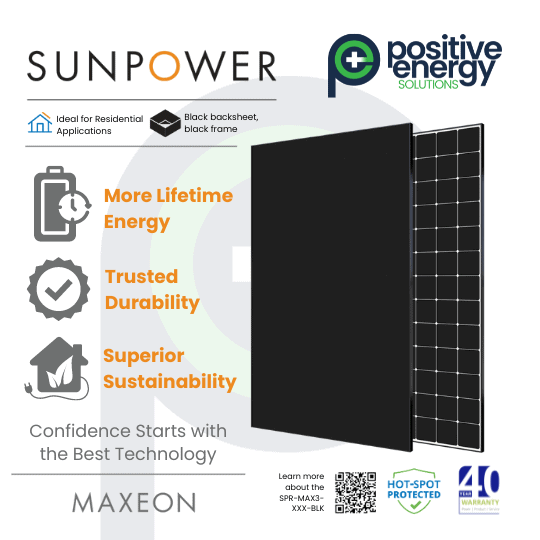
The benchmark premium panel for 2026, built on IBC back-contact cell technology for the highest verified efficiency (24.1%) among widely available residential panels, paired with an unmatched 40-year product and performance warranty. Best for space-constrained roofs and long-term owners who want the longest possible coverage window. Read the full Maxeon 7 review →
2. Aiko Solar — Best Premium / Highest Efficiency
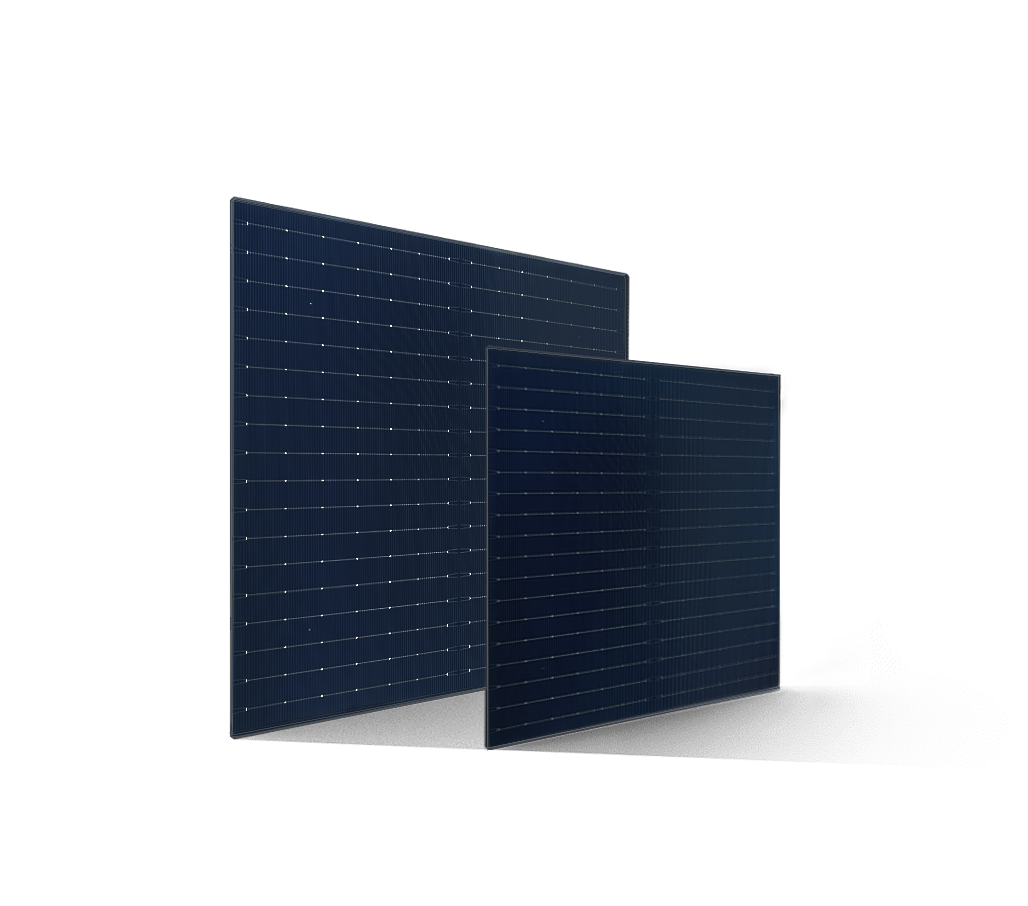
Aiko’s ABC back-contact technology currently produces the highest efficiency on the residential market, up to 25.0% in flagship configurations, alongside a temperature coefficient that ties REC for best-in-class. The panel to choose if squeezing every possible watt out of a small roof is the top priority. Read the full Aiko Solar review →
3. REC Group — Best All-Around Premium
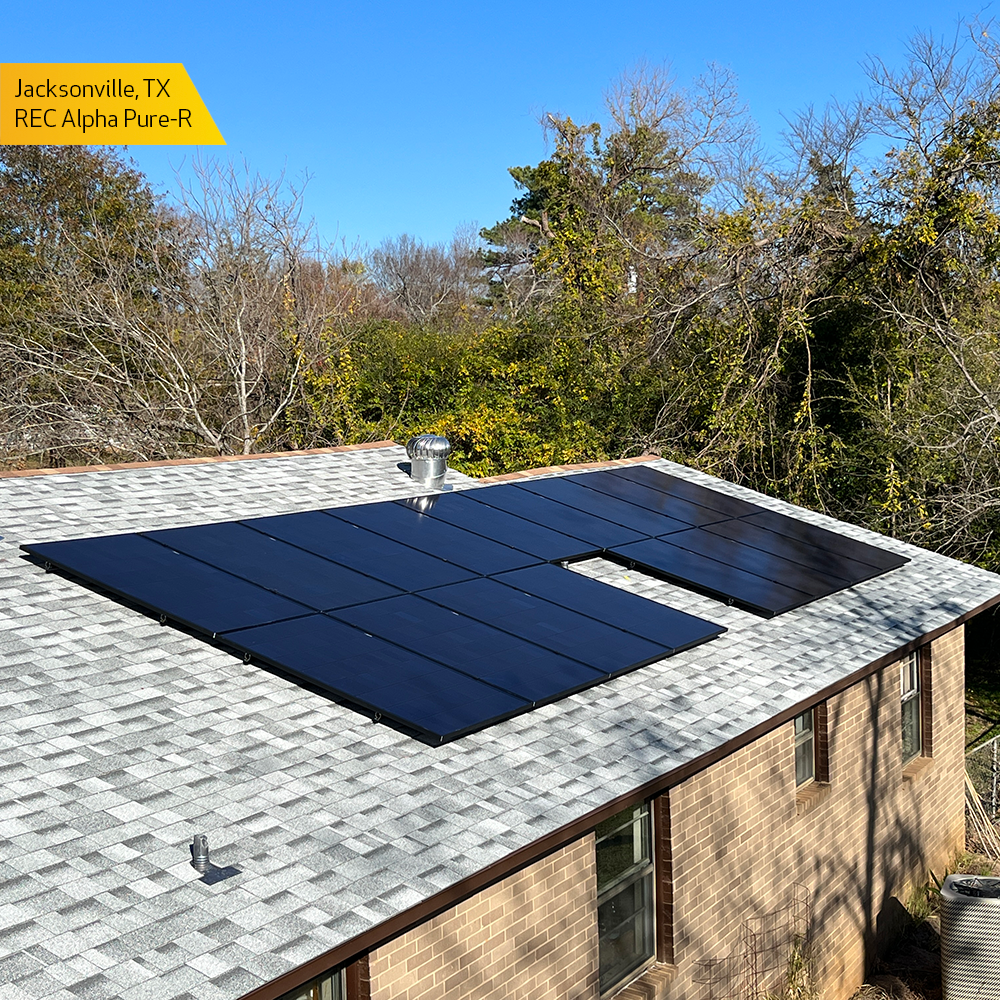
REC’s heterojunction Alpha Pure-R and Pure-RX panels combine a best-in-class -0.24%/°C temperature coefficient with the industry’s only labor-inclusive warranty (ProTrust), making it the strongest all-around premium pick for hot climates and long-term reliability. Read the full REC Group review →
4. Qcells — Best for Snow and Cold Climates
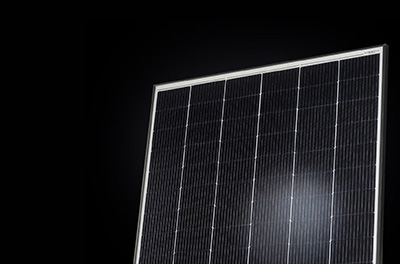
Backed by one of the largest solar manufacturing facilities in the Western Hemisphere (Dalton, Georgia), Qcells’ Q.TRON line delivers strong mid-tier efficiency and a field-proven reputation for holding up under heavy snow load — the top pick for cold-climate homeowners. Read the full Qcells review →
5. Canadian Solar — Best Budget / Best for Large Roofs

High-wattage panels (up to 550W) at some of the most competitive pricing in this guide make Canadian Solar the top choice for homeowners with ample roof space who want to minimize total installed cost without stepping down to the absolute bottom of the market. Read the full Canadian Solar review →
6. Jinko Solar — Best Value
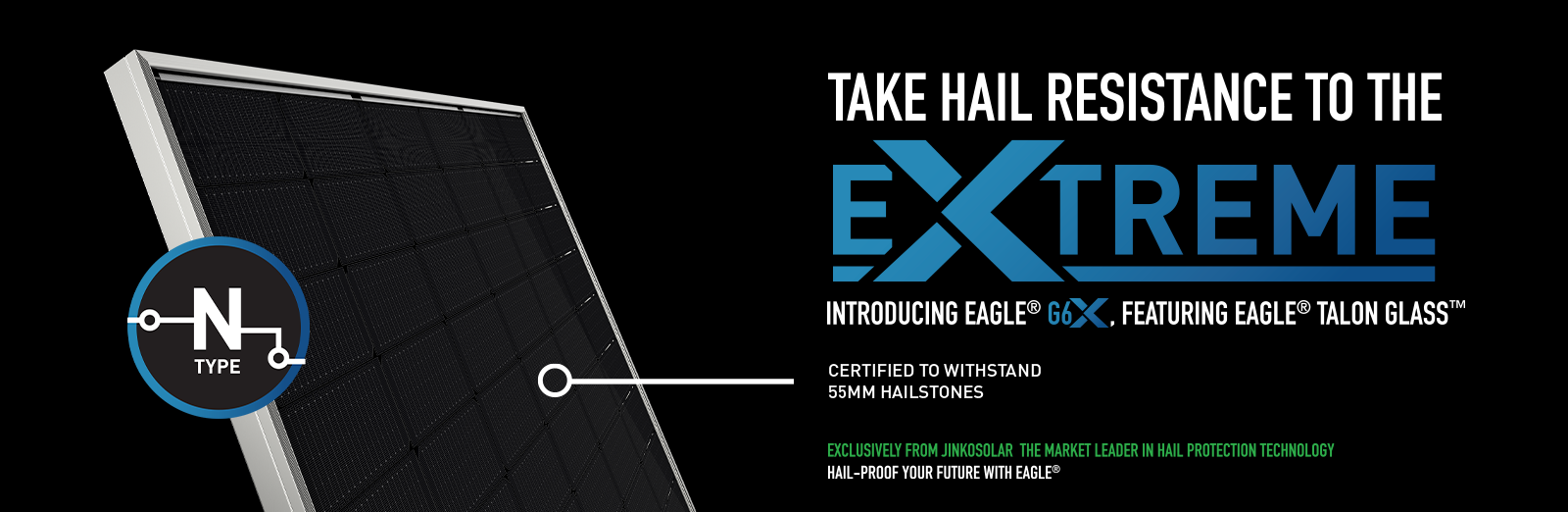
As the world’s largest solar panel manufacturer by shipment volume, Jinko delivers above-average TOPCon efficiency (22.6–23.0%) at below-average pricing, backed by the widest installer network in the industry — a low-risk, dependable choice for most homeowners. Read the full Jinko Solar review →
7. Trina Solar — Best Budget Bifacial

Trina’s Vertex S+ line stands out for its bifacial options, which capture extra reflected light on ground-mount and light-surface installations — the strongest choice for homeowners specifically considering a ground-mount or reflective-roof system on a budget. Read the full Trina Solar review →
8. LONGi Solar — Best Mid-Premium Value
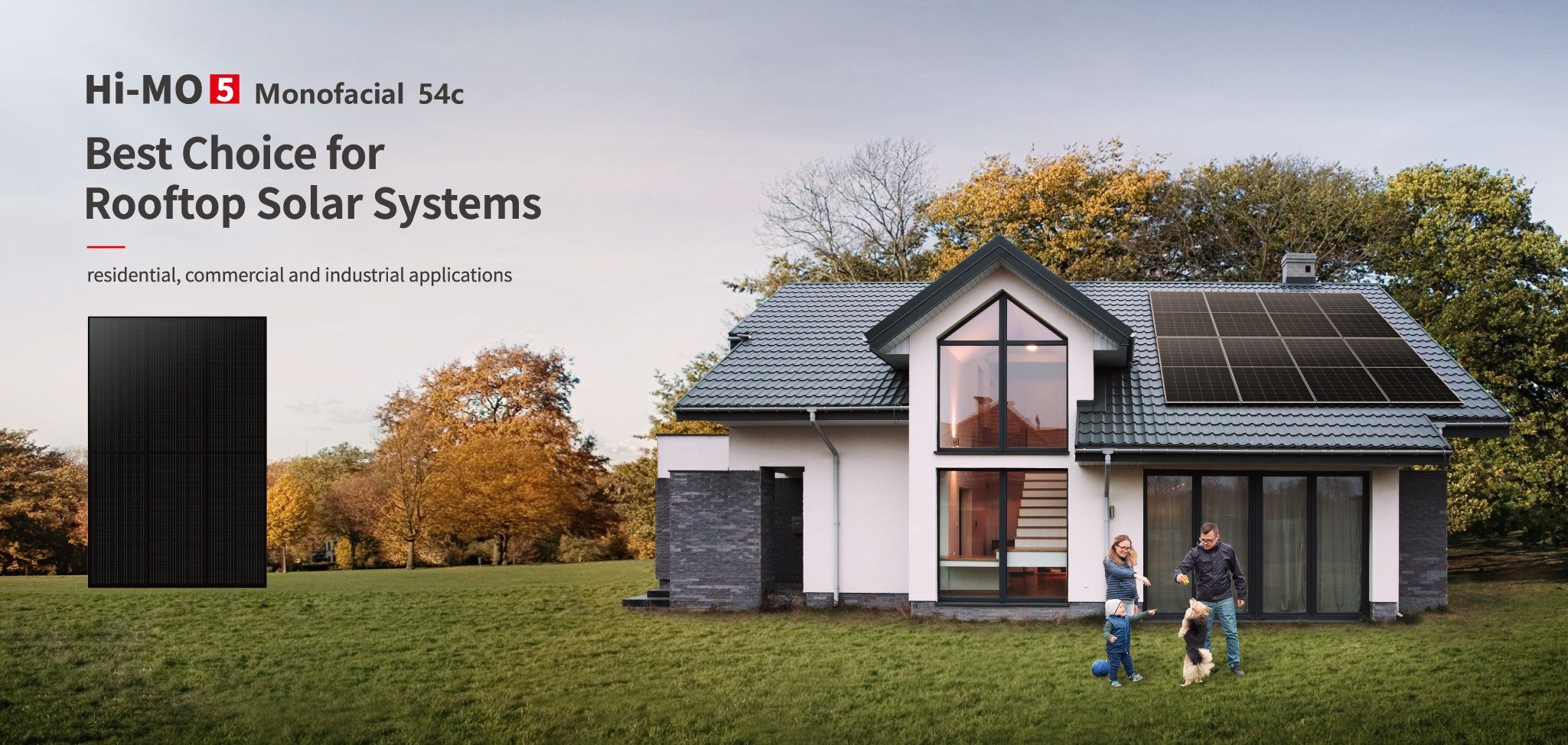
LONGi’s proprietary HPBC back-contact technology delivers 22.8% efficiency and a strong temperature coefficient at a price well below full premium tier — the sweet spot for buyers who want near-Maxeon performance without the full premium price tag. Read the full LONGi Solar review →
9. Panasonic — Best for Hot and Humid Climates
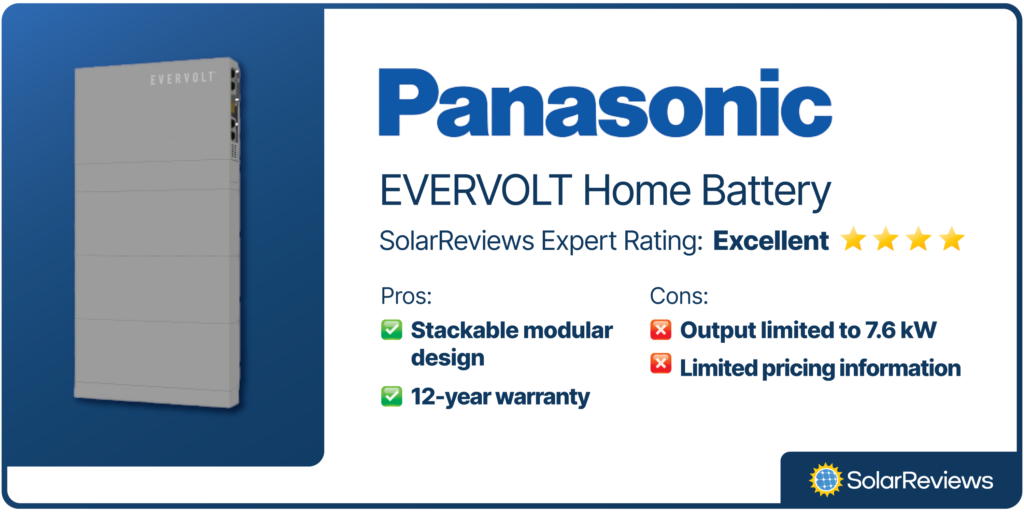
Decades of manufacturing pedigree back Panasonic’s EverVolt HJT panels, which combine a strong temperature coefficient with a 92% degradation guarantee at year 25 — a trusted, reliable pick for Florida, the Gulf Coast, and other hot, humid regions. Read the full Panasonic review →
10. Silfab Solar — Best “Buy American” Pick

Manufactured at facilities in Washington state and South Carolina, Silfab is the clearest domestic-manufacturing choice in this guide, relevant for homeowners targeting state or utility incentive programs with domestic-content requirements. Read the full Silfab Solar review →
👉 Compare solar installation quotes from local installers.
Efficiency Comparison: How the Top Panels Stack Up
Efficiency measures how much of the sunlight hitting a panel gets converted into usable electricity. In 2026, the average panel sold in the U.S. sits around 21.5–22%, up from roughly 19–20% just two years ago, driven by the industry-wide shift from older PERC cells to N-type technology (TOPCon, HJT, and back-contact designs).
Two things matter more than the top-line efficiency number for real-world output. The first is temperature coefficient: REC and Aiko currently lead here, losing only about 0.24–0.26% of output per degree above 25°C, while many TOPCon panels lose closer to 0.30–0.35%. In hot climates, that gap compounds over an entire summer.
The second is annual degradation rate. Premium HJT and back-contact panels from REC, Maxeon, Aiko, and Panasonic typically degrade at 0.25–0.35% or less annually, while many mainstream TOPCon panels degrade closer to 0.40–0.55% per year. Over 25 years, that difference can mean a 5–8 percentage point gap in guaranteed output between a top-tier panel and a mainstream one.
If your roof space is limited, higher-efficiency panels (23–25%) from Maxeon or Aiko let you fit more capacity meaningfully into the same footprint. If you have ample roof space, mid-tier 21–22.5% panels from Canadian Solar, Qcells, or Jinko often deliver better value per dollar.
Warranty Comparison: What’s Actually Covered

Most reputable brands now offer a 25-year product and performance warranty as the baseline, but coverage details separate the leaders from the rest. Maxeon’s 40-year product warranty is the longest currently offered in residential solar — nearly double the industry standard. REC’s ProTrust program is the standout on labor: installed through an REC Certified installer, it adds a 25-year labor warranty on top of standard coverage, closing one of the most commonly overlooked gaps in the industry, since most manufacturer warranties only cover the equipment itself, not the cost of removing and reinstalling a failed panel.
Aiko and Silfab both offer 25–30-year terms depending on the specific product line, ahead of the flat 25-year standard offered by Qcells, Canadian Solar, Jinko, Trina, LONGi, and Panasonic. Whichever brand you choose, always ask your installer directly whether labor is covered under any claim — it’s the detail most homeowners miss until they actually need it.
Compare solar installation quotes from local installers.
Price Per Watt in 2026
Panel pricing (equipment alone, not installation) generally falls into three tiers in 2026:
- Budget N-type panels (Jinko, Trina): roughly $0.55–$0.75 per watt
- Mid-range TOPCon panels (Qcells, Canadian Solar, Silfab, LONGi): roughly $0.70–$1.10 per watt
- Premium HJT/back-contact panels (REC, Maxeon, Aiko, Panasonic): roughly $0.90–$1.50 per watt
In dollar terms, a single 400–440W Tier 1 residential panel typically costs $130–$250 depending on brand and cell technology. Panels themselves typically make up only about a third of total system cost — the rest is labor, inverter, racking, permitting, and the installer’s margin, which is why getting multiple installed quotes matters more than comparing panel price alone.
Decision Boxes: Best For Your Situation
Small or Shaded Roof → Maxeon 7 or Aiko Solar Back-contact panels deliver the most output per square foot, letting you hit your energy target with fewer panels.
Tight Budget, Large Roof → Canadian Solar or Jinko Solar High wattage per panel and low per-watt pricing minimize total installed cost when roof space isn’t a constraint.
Hot, Humid Climate (Florida, Gulf Coast, Southwest) → REC Alpha Pure-R or Panasonic EverVolt HJT cell technology delivers the best temperature coefficients on the market, minimizing summer output loss.
Heavy Snow / Cold Climate → Qcells Q.TRON: Strongest field-reported mechanical and snow-load durability, backed by large-scale U.S. manufacturing.
“Buy American” Priority → Silfab Solar or Qcells: Both manufacture at scale in the U.S., relevant for domestic-content incentive eligibility.
Ground-Mount or Reflective Surface → Trina Solar Bifacial Vertex S+ panels capture extra reflected light for a real-world output boost on the right surface.
Best Balance of Efficiency and Price → LONGi Solar Near-premium back-contact-adjacent efficiency at a price well below full premium tier.
Buying Guide: How to Actually Choose
Start with your roof, not the brand. Measure your usable, unshaded roof area first. If space is tight, prioritize efficiency (Maxeon, Aiko, LONGi). If space is abundant, prioritize price per watt (Canadian Solar, Jinko, Trina).
Match the panel to your climate. The temperature coefficient matters far more in Phoenix or Miami than in Seattle or Minneapolis. In hot climates, a panel with a weak temperature coefficient can underperform its rated efficiency by several percentage points every summer.
Read the warranty terms, not just the length. A 25-year warranty that doesn’t cover labor can still leave you with a four-figure bill if a panel needs replacement. Ask specifically whether labor is included, and under what conditions.
Get panel-agnostic installed quotes. Because panels account for only about a third of the total system cost, the installer you choose often matters more than the brand. Get at least three itemized quotes and compare full installed price per watt, not just equipment cost.
Confirm local installer support before falling in love with a brand. A great panel is only as good as the installer’s ability to service it. Confirm your chosen installer has direct experience with the specific brand and model before committing.
Installation Costs
Installed pricing — the full turnkey cost including panels, inverter, racking, permitting, and labor — is the number that actually matters for budgeting. In 2026, most residential systems in the U.S. cost between roughly $2.50 and $3.50 per watt installed, with national averages clustering around $2.60–$2.75 per watt.
| System Size | Estimated Installed Cost (before any incentives) |
|---|---|
| 6 kW | $15,000 – $21,000 |
| 8 kW | $20,000 – $28,000 |
| 10 kW | $25,000 – $35,000 |
| 12 kW | $30,000 – $40,000 |
Most American households land in the 7–10 kW range depending on electricity usage. Battery storage, if added, typically runs an additional $8,000–$16,000 depending on capacity, and is worth considering in areas with weak net metering policies or frequent grid outages.
👉 Compare solar installation quotes from local installers.
Tax Credits and Incentives in 2026
This is the single biggest shift in the 2026 solar market. The 30% federal residential solar tax credit (Section 25D) expired on December 31, 2025, under the One Big Beautiful Bill Act (OBBBA), signed into law in July 2025. Homeowners who purchase and own a solar system outright in 2026 receive no federal tax credit — the credit went from 30% to 0% with no phase-down period, and it was not applied retroactively.
Here’s what’s still available in 2026:
- Third-party ownership (lease/PPA) arrangements can still indirectly pass along federal savings, since the system owner can claim a separate commercial clean energy credit (Section 48E), available through 2027.
- State tax credits, rebates, and exemptions remain active in many states and vary widely, including some sales and property tax exemptions specific to solar.
- The High-Efficiency Electric Home Rebate Act (HEEHRA) provides point-of-sale rebates for related electrification upgrades, available to households under certain income thresholds.
- Utility-level incentives and net metering policies still matter enormously and vary by state and utility.
The practical takeaway: solar remains financially worthwhile for most homeowners in 2026, but the math now requires more careful planning than when a flat 30% federal discount applied to every purchase. Getting a precise, itemized quote — and checking what you personally qualify for at the state and utility level — matters more than ever.
FAQ
What are the most efficient solar panels for home use in 2026? Maxeon 7 (24.1%) and Aiko Solar’s Neostar/Comet series (up to 25.0%) lead the market, both using back-contact cell technology that moves electrical components to the rear of the panel to maximize light-capturing surface area.
How much do solar panels cost for a typical home in 2026? A typical 8 kW residential system costs roughly $20,000–$28,000 fully installed before incentives, or about $2.50–$3.50 per watt. Since the federal tax credit expired at the end of 2025, most 2026 buyers pay this in full unless they qualify for state or utility incentives, or choose a lease/PPA.
Is the federal solar tax credit still available in 2026? No, not for homeowners who purchase and own their system. The 30% Section 25D credit expired December 31, 2025. It remains available only indirectly through third-party-owned lease/PPA arrangements via the separate Section 48E commercial credit, available through 2027. State incentives and net metering are unaffected.
Do I need a battery with my solar system? Not required for a standard grid-tied system, but increasingly popular for backup power and maximizing self-consumption. Batteries typically add $8,000–$16,000 depending on capacity — most worth it in areas with weak net metering or frequent outages.
Which solar panels perform best in extreme heat, like Florida? REC’s Alpha Pure-R and Panasonic’s EverVolt, both built on HJT cell technology, offer the best temperature coefficients (roughly -0.24% to -0.29% per °C). Pairing the right panel with wind-rated racking hardware matters just as much in hurricane-prone areas.
Which solar panels handle heavy snow best? Qcells has the strongest field reputation for mechanical durability under heavy snow load, with panels holding up under loading exceeding 5,000 Pa in installer reports from snow-heavy states.
How do I choose a reliable solar installer? Look for a licensed, insured installer with NABCEP certification and several years of local experience. Ask directly whether labor is covered under warranty, and get at least three itemized quotes comparing full installed price per watt, not just panel brand.
Final Recommendation
For most homeowners in 2026, Maxeon 7 remains the safest top pick if budget allows — the combination of class-leading efficiency and an unmatched 40-year warranty is difficult to beat for long-term value. Budget-conscious buyers with ample roof space should look to Canadian Solar or Jinko Solar, both of which deliver strong performance well below premium pricing. Homeowners in hot climates should prioritize REC or Panasonic for their superior heat tolerance, while those in snow-heavy regions are best served by Qcells‘ proven mechanical durability. Whichever brand fits your roof, climate, and budget, remember that the panel is only half the equation — the installer you choose, and the specific warranty terms they offer, matter just as much to your long-term outcome.
Panel specifications reflect manufacturer datasheets and third-party testing data as of 2026. Always confirm current specs and pricing with your installer before purchasing.
👉 Compare solar installation quotes from local installers.