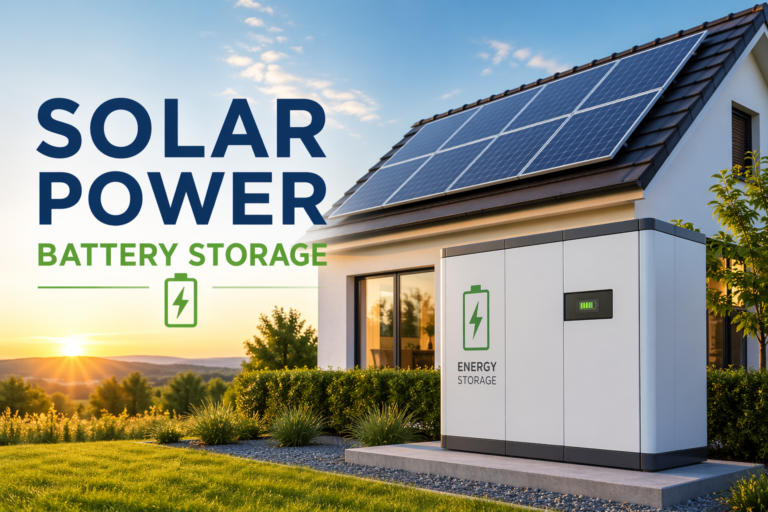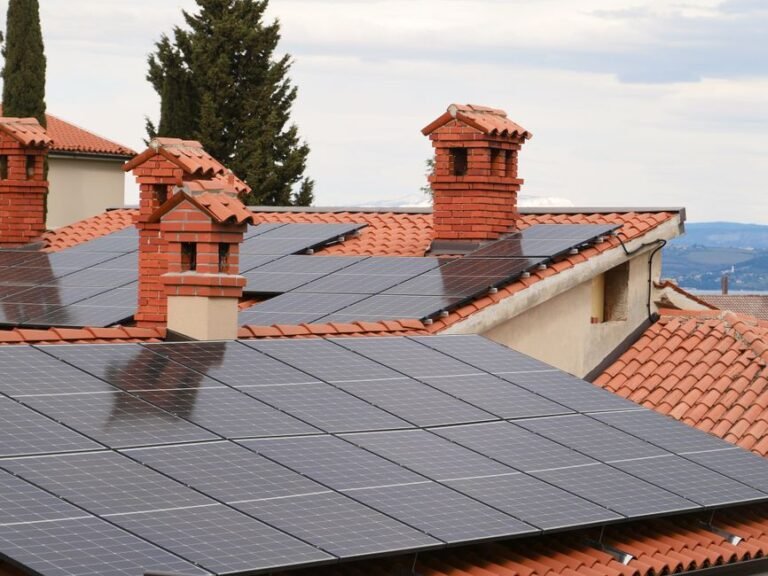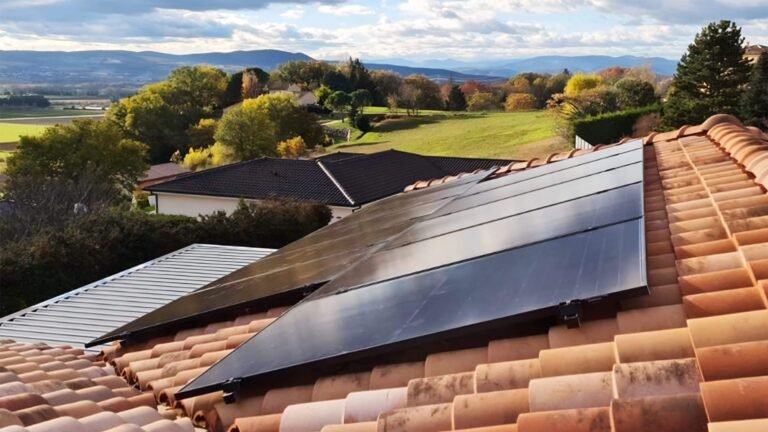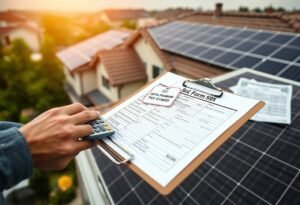
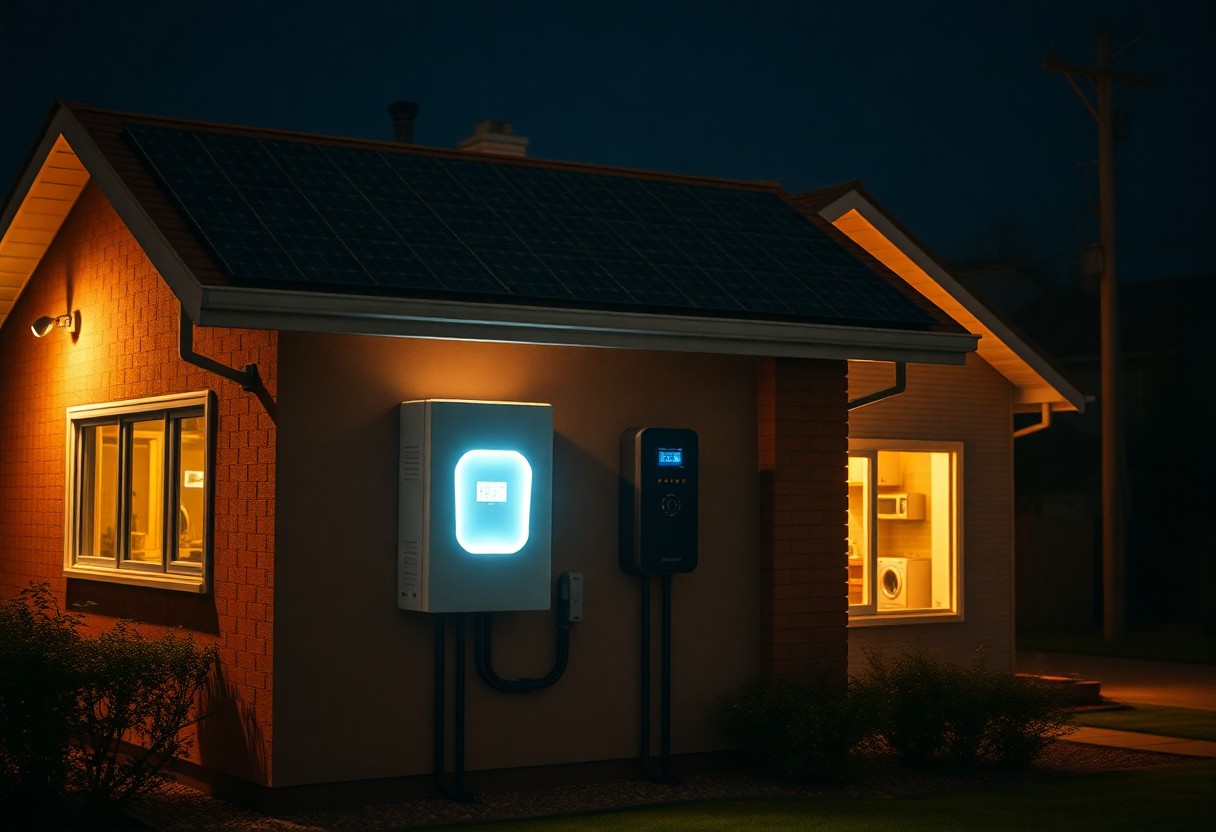
Just because your panels are producing sunlight doesn’t mean your home stays powered-if your system is grid‑tied without storage it will shut off to prevent dangerous backfeed that can electrocute utility workers. If you have a battery backup or an inverter with islanding capability, your system can isolate from the grid and keep your important circuits running. You should size and configure your system to prioritize loads and understand battery limits so you don’t overload the inverter or drain batteries too quickly.
Key Takeaways:
- Most grid-tied solar systems shut off during utility outages because inverters perform anti-islanding to prevent backfeeding; only systems with battery backup or hybrid inverters can continue to supply power during an outage.
- Battery-backed or AC‑coupled backup systems with an automatic transfer switch or backup panel can power selected circuits (or whole-home setups) for hours to days, depending on battery capacity and PV production.
- Inverter type, battery size, and transfer configuration determine which loads run and how long; integrating a generator or larger battery bank extends runtime and should be configured and tested by a qualified installer.
Understanding Solar Energy
Solar converts sunlight into electricity via the photovoltaic effect: under standard test conditions (~1,000 W/m²) a typical panel converts 15-22% of incident light into DC power. You’ll see output vary with angle, temperature and shading, so system design (tilt, orientation, string layout) directly affects how much usable power your home receives.
How Solar Panels Generate Electricity
Photons strike silicon cells and free electrons at the p-n junction, creating current; a single cell yields about 0.5 V, so panels bundle 60-72 cells to reach ~30-40 V nominal and 250-400 W per panel under STC. You’ll notice output drops with heat and shading, and strings pair with inverters to match system voltage.
Components of a Solar Power System
Typical components include PV modules, an inverter (string, microinverter or power optimizer), a metering/AC disconnect, safety breakers, and optional battery storage-residential batteries usually span 5-15 kWh. You’ll also find monitoring hardware and a transfer switch if you want automatic outage backup.
For backup specifics, microinverters provide panel-level MPPT for partial-shade gains while string inverters offer lower cost and central efficiency (~95-98%). Batteries like LFP tolerate >3,000 cycles and deliver ~90-95% round-trip efficiency, and anti-islanding relays plus UL 1741/IEEE 1547 compliance prevent dangerous backfeed into the grid during outages so your system operates safely.
The Impact of Power Outages
Common Causes of Power Outages
You face outages from severe weather, vegetation contact, equipment failure, human error and wildlife; for example, Hurricane Sandy knocked out power to over 8 million customers in 2012, and the 2003 Northeast blackout affected about 55 million people across the U.S. and Canada. Storms account for the largest share of large-scale events, while localized outages often stem from aging transformers, line faults or animals shorting circuits-issues that leave you without service for hours to days depending on crew access and damage severity.
The Effect on Conventional Power Sources
Conventional plants must stay synchronized to grid frequency, so when transmission fails many units automatically trip offline to protect expensive equipment, removing generation when you most need it. Local diesel or gas standby generators can keep critical loads running, but they depend on fuel supply, maintenance and manual startup. Nuclear and large thermal plants will perform controlled shutdowns rather than operate unsafely, which can extend outage recovery time for your area.
Grid operators usually rely on spinning reserves and blackstart-capable units to restore service; typical reserve margins run in the single digits percent of peak load, so a sudden loss of capacity rapidly destabilizes the system. During the February 2021 Texas freeze, fuel supply interruptions and frozen equipment left millions without power and exposed how vulnerable thermal generation is to weather. By contrast, battery systems can inject power in milliseconds, helping you ride through frequency dips while crews restore centralized plants.
Solar Power During Outages
When the grid drops, your system’s design dictates what stays on: grid-tied inverters typically shut off for safety, while hybrid setups with batteries can isolate and power selected circuits. You should expect a critical-load or backup panel to run longer when batteries are sized appropriately and solar is producing; in many homes that means hours of autonomy, and with larger storage or rationing, potentially days.
Functionality of Solar Systems During Outages
Grid-tied systems employ anti-islanding and will automatically disconnect to protect line crews, so they won’t energize your home during an outage. Battery-backed or hybrid inverters include an automatic transfer switch that isolates your loads and restores power within seconds. In practice, the inverter manages PV input, battery discharge, and load priority so refrigeration, lighting, and communications can remain powered while the grid is down.
Importance of Battery Storage
Batteries convert daytime solar into usable backup: a single Tesla Powerwall offers 13.5 kWh usable capacity and 5 kW continuous output, which can run necessary loads for many hours. You can scale storage to cover longer outages or critical devices; pairing solar with batteries reduces generator runtime and gives you silent, automated backup that recharges whenever sun is available.
For more detail, modern lithium-ion backup systems deliver about 85-90% round-trip efficiency and lifespans of several thousand cycles, allowing deep discharges safely. If you install two Powerwalls (≈27 kWh usable) and prioritize loads via a critical-load panel, you can sustain key appliances for multiple days with intermittent sun, and system design choices like battery chemistry, inverter rating, and load management determine real-world outage performance for your household.
Off-Grid Solar Solutions
Off-grid systems isolate you from the utility by combining PV arrays, MPPT charge controllers, inverters and a battery bank sized to your load and autonomy targets. For example, a small off-grid home typically uses a 6-12 kW array with a 20-60 kWh battery to cover 2-5 days without sun. You should budget an emergency generator for extended cloudy stretches and guard against battery overdischarge, which rapidly reduces lifespan.
Advantages of Off-Grid Systems
Going off-grid gives you full autonomy and predictable costs in remote locations where grid extension can exceed $10,000-$50,000 per mile. You avoid monthly utility bills and design capacity for seasonal loads; for instance, rural cabins often pair 1-3 kW arrays with 5-15 kWh batteries to meet basic needs. In storm-prone areas, this also eliminates outage dependence on damaged lines.
Installation Considerations
Site assessment begins with average peak sun hours-typically 3-6 in the U.S.-to size panels: a 3 kW array at 4 peak hours supplies roughly 12 kWh/day. You must size batteries for desired autonomy (e.g., a 48V system with 20 kWh usable storage for two days), choose MPPT controllers for ~20-30% better harvest, and select a pure sine wave inverter sized for surge loads. Factor in permitting and battery safety during design.
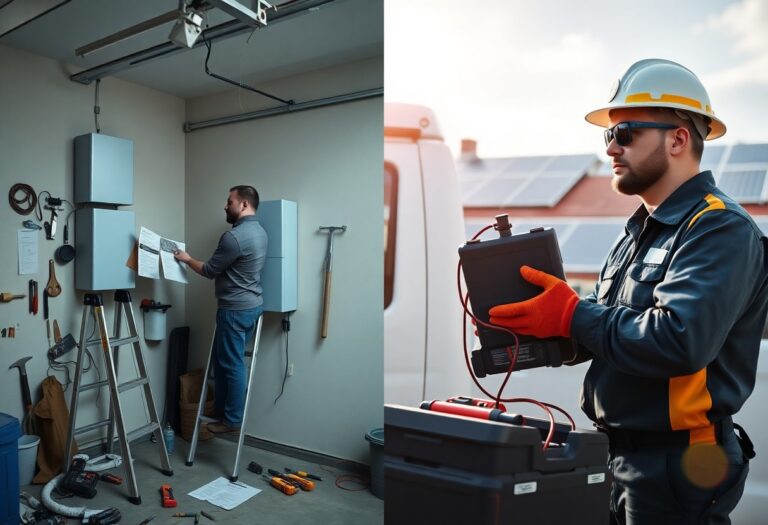
Electrical work generally requires a licensed installer because improper wiring creates fire hazards and can void warranties. You should integrate generator auto-start for multi-day cloudy periods and plan maintenance: lithium packs offer ~3,000-6,000 cycles versus 500-1,200 for lead-acid, which impacts lifecycle cost. Also confirm local permits, ventilation for battery enclosures, and monitoring for state-of-charge and temperature.
Benefits of Solar Power During Outages
When the grid fails, solar with storage gives you immediate, on-site power to keep importants running-refrigeration, lighting, comms and medical devices-without waiting for fuel deliveries. A typical 5 kW rooftop system produces roughly 15-25 kWh/day depending on sun, and pairing it with a 13.5 kWh battery (e.g., Tesla Powerwall) can sustain critical loads for 24-48 hours in many climates, reducing outage cost and stress while enabling selective load management.
Energy Independence
You gain the ability to isolate from the grid via an islanding inverter or microgrid controller and run prioritized circuits automatically. For example, configuring your system to power a 200 W refrigerator, 60 W router, and 100 W medical device means a 13.5 kWh battery can support those importants for about 40-50 hours. That removes dependence on noisy, polluting generators and uncertain fuel supplies during extended outages.
Environmental Impact
Switching from diesel generators to solar-plus-storage cuts local pollution and greenhouse gases; a portable diesel generator typically burns ~2-4 liters/hour, and diesel emits about 2.7 kg CO₂ per liter. So avoiding just 10 hours of generator runtime can prevent roughly 50-110 kg CO₂ plus soot and NOx that harm air quality-meaning your backup strategy directly benefits neighborhood health during long outages.
Further, you can scale community benefits by aggregating systems into microgrids: after Hurricane Maria, distributed solar and battery projects helped hospitals and water systems restore service quickly, showing how distributed solar reduces recovery time. By choosing panels and storage sized to your actual loads and coordinating with neighbors or a community energy manager, you both cut emissions and increase resilience at a neighborhood level.
Future of Solar Energy During Power Outages
You’ll see batteries and smarter controls shift solar from a niche backup to mainstream resilience: battery pack prices fell about 89% since 2010 to roughly $137/kWh by 2020 (BNEF), making 10-15 kWh home systems affordable. As standards and incentives evolve, your rooftop can island for hours or days, keeping critical loads online and reducing outage impact.
Technological Advancements
You can rely on smart inverters, bi-directional EV chargers and AI energy management to optimize outages; UL 1741 SA and IEEE 1547 now permit intentional islanding and grid-support functions that prevent dangerous backfeed to line crews. Products like Tesla Powerwall (13.5 kWh usable), Enphase Ensemble and Sonnen’s modular systems enable automatic transfer, prioritized loads, and time-of-use optimization during blackouts.
Growing Adoption
You’re seeing rapid uptake where outages are frequent: homeowners pick systems such as Powerwall (13.5 kWh) or LG Chem RESU (~9.8 kWh) to ride out blackouts, while utilities pilot community storage and incentive programs in places like California and Hawaii. Falling costs and program support have moved residential solar-plus-storage into mainstream resilience planning for thousands of customers.
You can also join virtual power plants (VPPs) that aggregate residential batteries to provide grid services; the Hornsdale Power Reserve in South Australia (expanded to about 150 MW/194 MWh) showed how large-scale storage stabilizes the grid and reduces blackout risk. Participating homeowners may receive incentives or bill credits, while communities gain measurable reliability and faster restoration during major outages.
To wrap up
With these considerations you can assess how your solar system will behave during an outage: grid-tied arrays without batteries shut down for safety, while systems with battery backup and an automatic transfer switch can power important circuits; your production depends on system size, battery capacity and inverter settings; consult your installer to confirm settings and load priorities and see Do Solar Panels Work During a Power Outage? for more detail.
FAQ
Q: Will my solar panels keep my lights and appliances on during a power outage?
A: Most grid-tied solar systems will shut down when the grid goes down because inverters detect the outage and stop exporting power to protect utility workers (anti-islanding). Panels still produce DC, but without a battery or an inverter configured for islanding, that power cannot be converted to usable AC for the home. To have usable power during an outage you need a system with battery backup or a hybrid inverter that can isolate (island) your home and keep an AC supply running, or a properly connected generator with an approved transfer switch.
Q: What is a battery backup and how does it operate with solar during an outage?
A: A battery backup consists of batteries and an inverter/charger (or a hybrid inverter) plus a transfer method that isolates selected circuits or the whole home from the grid. When the grid fails, an automatic transfer switch (or integrated inverter control) disconnects the home from grid power and the inverter forms an islanded AC source powered by the battery and, if available and configured, by solar panels. Systems can be AC-coupled or DC-coupled: AC-coupled batteries tie into the AC side and are often added to existing systems, while DC-coupled batteries connect on the DC side before the inverter and can be more efficient for charging from PV. Some setups support whole-home backup; others power only a dedicated “critical loads” subpanel. During daylight, panels can recharge the battery and supply loads simultaneously if the inverter permits PV-to-load operation while islanded.
Q: How long will solar plus batteries run my home during an outage and how can I maximize runtime?
A: Runtime depends on battery capacity (kWh), the inverter usable capacity, and the load (kW). Rough estimate: available hours = usable battery kWh ÷ average load kW, minus inverter and system losses. Example: a 10 kWh usable battery powering a 1.5 kW average load provides about 6-7 hours in ideal conditions; higher loads shorten runtime significantly. To maximize uptime: reduce loads (turn off HVAC, water heaters, electric ovens; prioritize lights, refrigeration, communications), use energy-efficient appliances, configure only important circuits on the backup subpanel, and if possible allow PV to recharge the battery during daytime. For longer outages consider adding battery capacity or a generator integrated with the inverter/transfer switch so solar can recharge batteries while the generator handles peak loads.